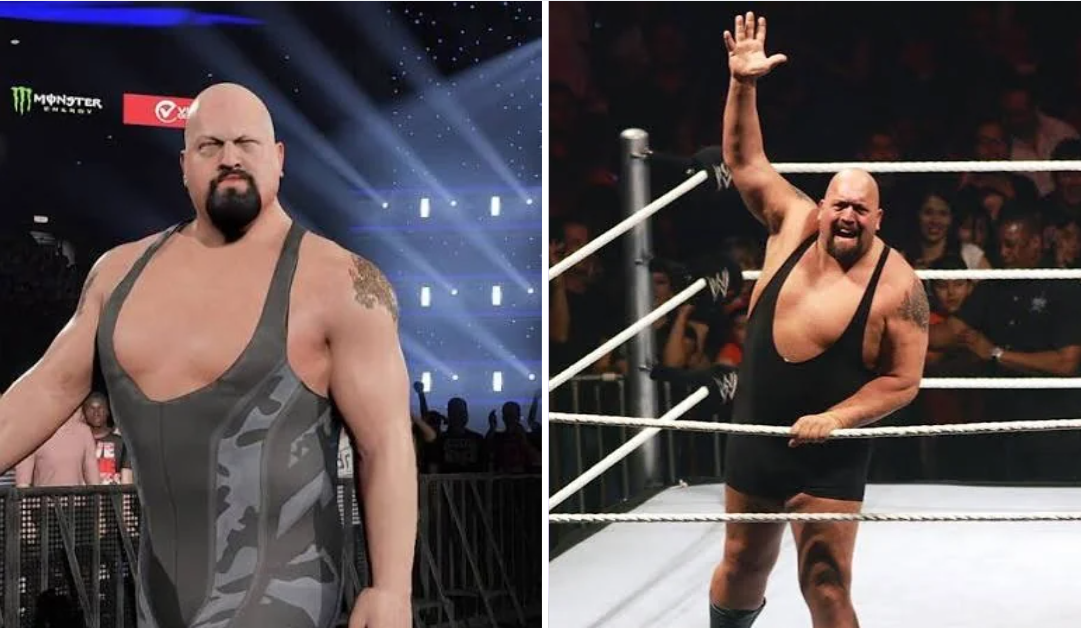
Big Show’s height is one of the first things fans notice when they see the towering WWE superstar in the ring or on screen. Known by his real name, Paul Wight, the American professional wrestler and actor built a career around his remarkable size, strength, and commanding presence. WWE traditionally billed him at 7 feet tall, making him one of the most imposing figures in modern wrestling. His size helped him stand out, but athletic ability and years of experience made him much more than a giant character. From championship matches against wrestling legends to appearances in films and television, Wight developed a career that extended beyond the wrestling ring. This profile looks at Big Show’s reported height, physical presence, career highlights, and the role his stature played in making him a recognizable name in sports entertainment.
Quick Bio
| Detail | Information |
|---|---|
| Real Name | Paul Donald Wight II |
| Ring Name | Big Show |
| Profession | Professional wrestler and actor |
| Date of Birth | February 8, 1972 |
| Birthplace | Aiken, South Carolina, United States |
| Nationality | American |
| Billed Height | 7 feet (213 cm) |
| Billed Weight | Approximately 383 lb (174 kg) |
| Known For | WWE and WCW wrestling careers |
| Signature Move | Chokeslam |
| WWE Debut | 1999 |
| Other Wrestling Name | The Giant |
| Acting Work | Films and television |
| Current Public Status | Occasional wrestling and entertainment appearances |
Big Show Height in Feet and Centimeters
Big Show’s officially billed height is 7 feet, or approximately 213 centimeters. That measurement became a central part of his WWE identity and helped distinguish him from almost every other wrestler on the roster.
For readers comparing different height measurements, the conversion is straightforward:
| Measurement | Big Show’s Billed Height |
|---|---|
| Feet and inches | 7 feet 0 inches |
| Centimeters | 213.36 cm |
| Meters | 2.13 m |
| Inches | 84 inches |
Who Is Big Show?
Big Show is the professional wrestling name of Paul Donald Wight II, an American wrestler and actor who became famous for his enormous frame and powerful in-ring style. He first gained major attention in World Championship Wrestling (WCW), where he competed as The Giant, before joining WWE in 1999.
His career covered several generations of professional wrestling. Wight competed against some of the industry’s biggest names, including Hulk Hogan, The Rock, Stone Cold Steve Austin, John Cena, and Brock Lesnar. His size made him an intimidating opponent, but his performances also required timing, balance, and the ability to work with wrestlers of different sizes and styles.
Outside wrestling, Wight pursued acting and appeared in films and television productions. His recognizable appearance helped him transition into entertainment roles that often used his physical presence for comedy, action, or larger-than-life characters.
Why Big Show’s Height Made Him Stand Out
Professional wrestling features athletes with varied physiques, but Big Show’s height gave him an immediate visual advantage. At a billed seven feet tall, he could tower over many opponents before a match even began.
His size influenced how WWE presented him. Commentators frequently highlighted the challenge of facing someone so tall and heavy, while opponents often used speed, teamwork, or strategy to counter his strength. These differences helped create distinct match stories.
However, height alone does not explain his long career. A wrestler of his size needed coordination, endurance, and careful movement to perform safely and convincingly. Wight developed a style that combined powerful strikes, throws, and signature moves with the ability to work through different match formats.
His stature also made him memorable outside the ring. Television audiences could recognize him immediately, even in brief appearances, which helped him build a public identity beyond championship matches.
How Big Show’s Height Compared With Other WWE Wrestlers
Big Show often appeared considerably taller than his opponents, particularly when WWE placed him beside wrestlers with more conventional athletic builds. The difference became especially noticeable during interviews, entrances, and face-to-face confrontations.
The following comparison uses commonly billed WWE heights, rather than claiming independently measured figures.
| Wrestler | Commonly Billed Height |
|---|---|
| Big Show | 7 ft 0 in (213 cm) |
| The Undertaker | 6 ft 8 in (203 cm) |
| John Cena | 6 ft 1 in (185 cm) |
| Roman Reigns | 6 ft 3 in (191 cm) |
| Rey Mysterio | 5 ft 6 in (168 cm) |
These comparisons help explain why Big Show looked so imposing during WWE broadcasts. The difference between him and a wrestler such as Rey Mysterio created a striking visual contrast, while his height also gave him a noticeable advantage in face-to-face segments with taller opponents.
Still, wrestling outcomes depend on the story and the competitors’ performances, not simply their listed measurements.
Big Show’s Early Career Before WWE
Paul Wight’s rise to wrestling fame began before he became a WWE superstar. He entered professional wrestling in the early 1990s and soon joined WCW, where the company presented him as The Giant.
WCW introduced him as a major threat, and his size quickly became a central part of his character. He competed against established stars and entered prominent storylines, including those involving Hulk Hogan and the New World Order.
His early success demonstrated that he could serve as more than a novelty attraction. Wight developed into a regular main-event performer, competed for major championships, and gained experience in high-profile matches.
The Giant persona laid the groundwork for his later WWE career. When he moved to WWE in 1999, he brought considerable experience from another major wrestling promotion, along with a reputation as one of the industry’s most imposing competitors.
Big Show’s WWE Career and Major Achievements
Big Show joined WWE in February 1999 and quickly became part of major storylines. His debut placed him in a match involving Steve Austin and Vince McMahon, giving him immediate exposure to WWE’s main-event audience.
Over the years, he won multiple championships, including the WWE Championship and the World Heavyweight Championship. He also captured tag team titles with several partners, demonstrating his ability to work in both singles and team competition.
WWE used Big Show in a variety of roles. At times, he appeared as a dominant villain; at others, he became a fan favorite. These changes allowed him to work with different stars and remain involved in major stories across changing eras.
His career also included memorable matches against The Undertaker, Brock Lesnar, John Cena, and many others. Big Show’s size made him a distinctive opponent, but his experience and adaptability helped him remain a significant presence long after his initial debut.
Did Big Show’s Height Affect His Wrestling Style?
Big Show’s height and weight shaped many aspects of his wrestling style. His reach helped him deliver powerful punches and strikes, while his size made moves such as the Chokeslam especially effective as part of his presentation.
He also used his frame to control opponents and create dramatic moments. A simple lift or throw could appear more impressive when performed by a wrestler who towered over the person he faced.
At the same time, his physical dimensions created practical demands. Wrestling requires repeated movement, balance, and coordination, so a larger athlete must manage those demands carefully. Big Show’s long career reflects his ability to perform in a demanding environment across many years.
His matches were not all built around strength. He sometimes used timing and positioning to counter quicker opponents, and tag team matches gave him opportunities to combine his size with the skills of smaller partners.
Big Show’s Acting Career Beyond Wrestling
Big Show expanded his career into acting, using his recognizable appearance and performance experience in film and television. His credits include the comedy film Jingle All the Way and the action-comedy The Waterboy, as well as other entertainment projects.
He also appeared in television programming and later starred in the Netflix sitcom The Big Show Show. The series used a fictionalized version of his family life as the basis for a family comedy, allowing audiences to see a different side of his public persona.
His height often became a natural part of his screen presence. Directors could use his stature for visual comedy or to make a character look physically formidable. However, acting also required him to deliver dialogue, work with other performers, and adapt to roles that differed from professional wrestling.
These projects helped broaden his public identity. Rather than remaining known only as a wrestler, Wight became familiar to audiences who discovered him through films and television.
Big Show’s Real Name, Age, and Background
Big Show’s real name is Paul Donald Wight II. He was born on February 8, 1972, in Aiken, South Carolina, and his professional career eventually made him one of the most recognizable giants in wrestling.
His age and height are two of the details fans commonly search for when learning about him. As of October 2026, he is 54 years old. His commonly billed height remains seven feet, although promotional measurements should not be confused with a current medical or independently verified measurement.
Wight’s identity outside the ring is separate from the Big Show character. Professional wrestling uses stage names and storylines to entertain audiences, while the performer behind the character has a life and career beyond those presentations.
That distinction matters when discussing his career. Big Show is the name associated with his most famous wrestling years, while Paul Wight is the person who has also worked in acting and other entertainment roles.
Big Show’s Life After His Main WWE Years
After many years as a major WWE performer, Wight moved into a new phase of his career. In 2021, he signed with All Elite Wrestling (AEW), where he used the name Paul Wight and took on wrestling and commentary-related work.
The move marked a change from his long association with WWE. It also showed that his professional identity could continue beyond the company where he had achieved his greatest fame.
His later work has included appearances connected to AEW programming and entertainment projects. The amount of in-ring activity can change over time, so a specific appearance should not automatically be interpreted as a return to a full-time wrestling schedule.
Big Show’s legacy remains closely tied to WWE, but his career is not limited to one promotion. His experience in WCW, WWE, AEW, film, and television gives his professional story a wider reach than his ring name alone suggests.
Why Fans Continue to Search for Big Show’s Height
Big Show’s height remains a popular search topic because it is such a visible part of his identity. Fans who remember his WWE matches often want to know exactly how tall he is, how he compares with other wrestlers, and whether the number shown in wrestling profiles reflects his real measurement.
The question also attracts people who know him from films or television rather than wrestling. His appearance makes him easy to recognize, and his billed height helps explain why he looks so different from many actors and athletes.
Online figures can vary, particularly when websites repeat promotional statistics without explaining their origin. The clearest answer is that WWE commonly billed Big Show at seven feet tall, or about 213 centimeters. That is the standard figure associated with his wrestling persona, rather than a guarantee of a current independently measured height.
Conclusion
Big Show’s height—commonly billed at 7 feet or approximately 213 centimeters—played a major role in shaping his identity as a professional wrestler and actor. His size helped him stand apart from other WWE performers, but his championship success and longevity also depended on athletic skill, performance experience, and the ability to adapt to different opponents.
Paul Wight built a career that extended from WCW and WWE into AEW and screen acting. That range of experience made him more than a giant character in a wrestling ring.
For anyone searching Big Show height, the standard answer is seven feet tall. The fuller story, however, includes decades of wrestling, championship achievements, and an entertainment career that reached audiences well beyond professional wrestling.
Frequently Asked Questions
How tall is Big Show?
Big Show is commonly billed at 7 feet tall, which equals approximately 213 centimeters or 2.13 meters. This is the standard height associated with his professional wrestling persona.
What is Big Show’s real name?
His real name is Paul Donald Wight II. He became famous as Big Show in WWE and previously competed in WCW under the name The Giant.
Is Big Show really seven feet tall?
Seven feet is his commonly advertised wrestling height. Promotional measurements may differ from an independently verified physical measurement, so it is most accurate to describe 7 feet as his billed height.
How much does Big Show weigh?
WWE commonly listed Big Show at approximately 383 pounds, or 174 kilograms, during his wrestling career. His actual weight can change over time, so that figure should be treated as a historical promotional listing rather than a confirmed current measurement.
How old is Big Show?
Paul Wight was born on February 8, 1972. He is 54 years old as of October 2026.
What is Big Show famous for besides his height?
Big Show is known for his long professional wrestling career, multiple championships, and appearances in films and television. His acting work includes The Waterboy and the Netflix series The Big Show Show.
Is Big Show still wrestling?
Paul Wight joined AEW in 2021 after his long WWE career. His later work has included wrestling-related and commentary roles, but his current schedule should not be confused with his earlier full-time WWE run.
For More Updates Visit : londoninc Magazine