
Matthew Bissonnette is a Canadian filmmaker, screenwriter, novelist, and director whose work in independent cinema has earned him recognition beyond his personal life. He is also known for his former marriage to Canadian actress Molly Parker, an acclaimed performer in film and television. Their relationship brought together two creative professionals whose careers intersected in the world of filmmaking. Bissonnette has written and directed several feature films, including Looking for Leonard, Who Loves the Sun, Passenger Side, and Death of a Ladies’ Man. His work reflects an interest in complicated characters, personal relationships, and the unexpected turns of everyday life. Although public interest in Matthew Bissonnette often centers on his connection to Parker, his own artistic career provides a fuller picture of his life. Here is a closer look at his background, filmmaking achievements, marriage, family, and what is publicly known about his life beyond their relationship.
Quick Bio
| Detail | Information |
|---|---|
| Full Name | Benedict Matthew Bissonnette |
| Known For | Canadian filmmaker, screenwriter, and novelist |
| Famous Connection | Molly Parker |
| Relationship | Former husband |
| Profession | Film director, writer, producer, and novelist |
| Birth Date | Not reliably documented in authoritative public sources |
| Birthplace | Montreal, Quebec, Canada |
| Nationality | Canadian |
| Children | One son with Molly Parker is publicly documented |
| Education | Studied English and film at Concordia University; later studied law at Queen’s University |
| Notable Films | Looking for Leonard, Who Loves the Sun, Passenger Side, Death of a Ladies’ Man |
| Current/Public Status | Continues to be identified professionally with filmmaking and screenwriting; detailed current personal information is limited |
Who Is Matthew Bissonnette?
Matthew Bissonnette, also professionally known as Matt Bissonnette, is a Canadian writer and filmmaker whose career has developed largely within independent cinema. Rather than building his reputation around celebrity culture or commercial blockbusters, he has pursued projects that emphasize storytelling, character development, and distinctive creative perspectives.
Born and raised in Montreal, Quebec, Bissonnette developed an interest in literature and film before establishing himself as a director and screenwriter. His academic background included studying English and film at Concordia University, followed by legal studies at Queen’s University in Ontario. He was called to the Ontario bar but reportedly left the legal profession shortly afterward to concentrate on writing and filmmaking.
That decision shaped the direction of his professional life. Bissonnette went on to develop a body of work that includes feature films, screenwriting, producing, and a published novel. His career is particularly associated with independent productions that explore relationships, identity, and the complexities of human behavior.
His marriage to Molly Parker is another significant part of his public story, but it represents only one aspect of his identity. Understanding his creative work helps explain why his name appears in discussions of both Canadian filmmaking and Parker’s personal life.
Matthew Bissonnette’s Early Life and Education
Matthew Bissonnette grew up in Montreal, a Canadian city with a longstanding cultural tradition of independent filmmaking, music, literature, and experimental art. The city provided a relevant cultural backdrop for someone who would eventually pursue a career combining writing and cinema.
Publicly available biographical information identifies Concordia University as an important part of his education. He studied English and film there, developing an academic foundation in literary storytelling and cinematic expression. These subjects would later become central to his professional work as a screenwriter and director.
Bissonnette subsequently attended Queen’s University to study law. Although his legal education offered an alternative career path, he did not remain in the profession for long after being called to the Ontario bar. He reportedly retired from legal practice approximately two weeks later to return to writing and movies.
His educational journey illustrates that his career was not limited to a conventional film-school route. Instead, his background combined literature, film studies, and legal education before he committed himself to filmmaking.
Specific details about his childhood, parents, and early family life are not extensively documented in authoritative public sources. As a result, his professional development provides a clearer account of his early years than speculation about his private upbringing.
How Matthew Bissonnette Began His Filmmaking Career
Bissonnette entered feature filmmaking through independent productions, a field that often gives writers and directors greater creative flexibility than large studio projects. Independent cinema can provide opportunities to develop distinctive characters and explore unconventional narratives without relying entirely on mainstream commercial formulas.
One of his earliest major projects was Looking for Leonard, released in 2002. He co-wrote and co-directed the film with his childhood friend Steven Clark. The project helped establish his presence as a filmmaker and introduced audiences to his approach to storytelling.
The film is especially relevant to his professional biography because it marked an early step in a career that would continue across several different projects. It also coincided with the period in which he married Molly Parker, linking an important professional milestone with a significant personal chapter.
Rather than immediately moving into a large commercial filmmaking system, Bissonnette continued developing independent projects. His subsequent work demonstrated an interest in stories driven by personalities, emotional complications, and relationships rather than spectacle alone.
Looking for Leonard and His First Feature Film
Looking for Leonard occupies an important place in Matthew Bissonnette’s career because it represents his early work as both a writer and director. Co-created with Steven Clark, the film helped introduce his creative approach to feature-length storytelling.
The project also illustrates the collaborative nature of independent cinema. Writers and directors frequently take on several responsibilities during production, particularly when working outside major studio structures. Bissonnette’s involvement in both writing and directing allowed him to participate in shaping the story from its initial development through its presentation on screen.
The film was released in 2002, the same year he married Molly Parker. Parker was involved as an executive producer, making the production a notable point of intersection between their professional lives.
Although Looking for Leonard was not a mainstream blockbuster, it formed part of the foundation for Bissonnette’s later career. Its significance lies in establishing his continued involvement in independent filmmaking and in demonstrating how his professional and personal worlds overlapped during that period.
Who Loves the Sun and His Creative Collaboration With Molly Parker
Another important project in Bissonnette’s filmography is Who Loves the Sun, released in 2006. The film was written and directed by Bissonnette and featured Molly Parker among its cast members.
The production is particularly relevant when considering their relationship because it brought their creative work together in a direct way. Parker was not simply the filmmaker’s spouse; she was also an established actress participating in a project he directed.
Working in both professional and personal capacities can create a distinctive dynamic for creative couples. However, without detailed first-hand accounts of their working relationship, it would be inappropriate to make assumptions about how their marriage affected the production or how they managed their responsibilities.
The film remains a useful example of Bissonnette’s work during the years when their marriage was publicly established. It also demonstrates that his connection to Parker extended into their shared involvement in the film industry.
Passenger Side: Another Step in His Directorial Career
In 2009, Matthew Bissonnette released Passenger Side, another feature that strengthened his profile as an independent filmmaker. He wrote and directed the film, continuing a pattern of creative involvement that had characterized much of his earlier work.
The movie is part of a filmography associated with character-focused storytelling and the relationships between people. Road-based narratives, in particular, can provide a framework for exploring personal tensions, changing perspectives, and unexpected encounters.
Passenger Side also demonstrates Bissonnette’s continued commitment to directing projects he had helped develop as a writer. This combination of responsibilities gave him substantial involvement in determining a film’s narrative direction.
For readers interested in his life beyond Molly Parker, the film is an important reminder that Bissonnette continued to build a career with its own creative identity. His professional work did not depend solely on his marriage or his association with a recognizable actress.
Matthew Bissonnette’s Work as a Novelist
Filmmaking is not Bissonnette’s only creative pursuit. In 2008, he published a novel titled Smash Your Head on the Punk Rock. The book added another dimension to his career by allowing him to tell a story through prose rather than a visual medium.
Writing a novel differs considerably from developing a screenplay. A filmmaker must communicate much of a story through images, performances, dialogue, and editing, while a novelist can explore a character’s perspective directly through language and narration.
Bissonnette’s work in both forms reflects his broader interest in storytelling. His experience in film provides one context for understanding his writing, although the two disciplines offer different opportunities for creative expression.
The novel also demonstrates why describing him exclusively as Molly Parker’s former husband would leave out an important part of his professional identity. He has pursued several creative avenues independently of their relationship.
Matthew Bissonnette’s Marriage to Molly Parker
Matthew Bissonnette married Canadian actress Molly Parker in 2002. Their relationship attracted interest because Parker was developing a prominent acting career while Bissonnette was working as a writer and director.
Parker’s work in independent films and television made her a recognizable performer, while Bissonnette was establishing himself behind the camera. Their marriage therefore connected two people working in different but closely related areas of the entertainment industry.
Their relationship also overlapped with several of Bissonnette’s film projects. Parker participated in Looking for Leonard as an executive producer and appeared in Who Loves the Sun, which Bissonnette wrote and directed. These collaborations provide documented examples of their professional connection during their marriage.
Public biographical records describe the marriage as having ended in divorce. However, published sources do not consistently report the same ending year, so a precise divorce date should not be treated as firmly established without stronger documentation.
Neither person’s public career provides a complete account of their private relationship. There is insufficient reliable information to make definitive claims about the reasons for their separation or the personal circumstances surrounding it.
Family Life and Their Son
Matthew Bissonnette and Molly Parker have one publicly documented child together, a son named William Strummer Bissonnette. His birth was reported in October 2006.
The arrival of their son was an important family milestone during a period when both parents were professionally active. Parker continued working as an actress, while Bissonnette pursued writing and directing projects.
Beyond these basic facts, relatively little verified information about their son’s private life is necessary to understand Bissonnette’s biography. He is not a public figure in his own right to the same degree as his parents, and details about his education, personal activities, or current circumstances should not be assumed.
The family connection also continued to be relevant after the marriage ended. Although Bissonnette and Parker no longer remained married, their shared parenthood is a documented part of their personal history.
Who Is Molly Parker?
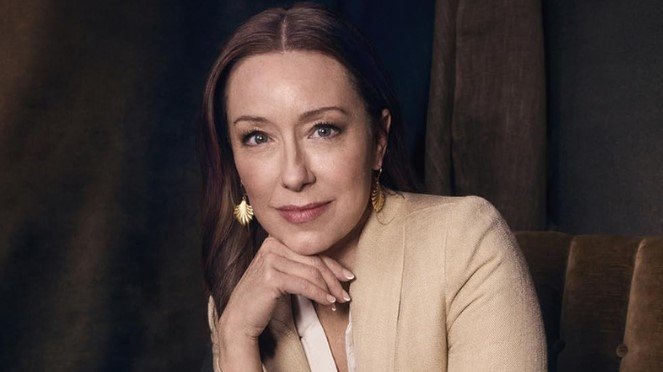
Molly Parker is a Canadian actress and producer known for her work in independent films, television dramas, and feature-length productions. Born in British Columbia, she developed a reputation for portraying complex characters in both intimate dramas and larger television projects.
Her career includes acclaimed performances in films such as Kissed and The Center of the World, as well as her portrayal of Alma Garret in the HBO Western series Deadwood. She later appeared in prominent television productions including House of Cards and Lost in Space.
Parker’s professional accomplishments help explain why public interest in her marriage to Matthew Bissonnette continues. She has built a substantial career of her own, receiving industry recognition for her acting and contributing to projects as a producer.
Their connection was significant not only because they were married but also because they shared an interest in filmmaking. Parker participated in Bissonnette’s creative projects, while their relationship developed during important years in both of their professional lives. Nevertheless, her acting career and his work as a director remain distinct achievements.
Matthew Bissonnette’s Life After the Marriage
The end of Bissonnette’s marriage to Molly Parker did not erase his identity as a filmmaker. His professional history includes projects released both during and after the period in which their marriage was publicly documented.
One notable later production was Death of a Ladies’ Man, released in 2020. Bissonnette wrote and directed the film, which starred Gabriel Byrne and explored themes involving memory, relationships, and mortality.
The film is an important entry in his later filmography because it demonstrates his continued involvement in feature filmmaking. Rather than representing a departure from his earlier interests, it fits within a career built around character-led stories and emotionally complicated situations.
Public information about his personal life after his marriage to Parker is more limited than information about his professional activities. It is therefore more accurate to describe his later years through his documented creative work than to speculate about his private circumstances.
Matthew Bissonnette’s Professional Style and Influence
Bissonnette’s career illustrates the variety of roles that can define an independent filmmaker. He has worked as a screenwriter, director, producer, and novelist, allowing him to approach stories from different creative perspectives.
His filmography includes projects separated by several years, rather than a continuous stream of high-profile commercial releases. This pattern is consistent with an independent career in which individual films can require substantial time to develop, finance, produce, and distribute.
His work also demonstrates the importance of collaboration. Independent films depend on the combined contributions of actors, writers, producers, and production teams, and Bissonnette’s projects have involved a range of creative professionals.
It would be difficult to quantify his influence on the film industry without broader critical or historical evidence. Still, his continued work across multiple films and literary formats establishes him as a filmmaker with a sustained interest in storytelling rather than a person known only through a celebrity relationship.
Matthew Bissonnette’s Net Worth and Financial Life
A verified current net worth for Matthew Bissonnette is not publicly established through authoritative financial disclosures. Online estimates, where they appear, should not be treated as confirmed figures without reliable supporting evidence.
His professional activities have included directing, screenwriting, producing, and publishing a novel. These are different sources of potential income, but the financial returns from individual films and books can vary considerably.
Film budgets, box-office receipts, production-company valuations, and a project’s commercial performance do not automatically reveal how much an individual filmmaker personally earns. Contract terms, production expenses, distribution arrangements, and other financial details would be needed for a reliable calculation.
For that reason, assigning Bissonnette a specific net worth would create a misleading impression of certainty. His documented creative work provides a firmer basis for understanding his career than unverified financial estimates.
What Is Publicly Known About Matthew Bissonnette Today?
Matthew Bissonnette remains identifiable through his work as a Canadian filmmaker and writer. His established filmography includes several feature films released over nearly two decades, along with his published novel.
His professional profile is better documented than his private life. Information about his education, major projects, and former marriage to Molly Parker is available, but detailed current information about his daily activities, residence, or personal relationships is limited.
This distinction matters when writing about people whose names appear in celebrity searches. A lack of frequent public appearances does not establish that someone has retired, left their profession, or withdrawn completely from public life.
The most responsible account of Bissonnette’s current public status is therefore a measured one: his creative career is documented, his former marriage to Parker is part of his biography, and many details of his present personal life remain private.
Conclusion
Matthew Bissonnette is more than Molly Parker’s former husband. He is a Canadian filmmaker, screenwriter, producer, and novelist whose career includes independent films such as Looking for Leonard, Who Loves the Sun, Passenger Side, and Death of a Ladies’ Man.
His marriage to Parker connected two creative professionals and included periods of collaboration on film projects. Their son, William Strummer Bissonnette, is another important part of their shared history, although the family’s private life remains largely outside the public record.
Bissonnette’s educational background, transition from legal studies to filmmaking, and continued work across different storytelling formats provide a fuller understanding of his professional identity. While some details about his personal life and finances cannot be reliably confirmed, his creative achievements offer a meaningful account of the person behind the name.
FAQs
Who is Matthew Bissonnette?
Matthew Bissonnette, also known as Matt Bissonnette, is a Canadian filmmaker, screenwriter, producer, and novelist. His feature films include Looking for Leonard, Who Loves the Sun, Passenger Side, and Death of a Ladies’ Man.
How is Matthew Bissonnette related to Molly Parker?
Matthew Bissonnette is Molly Parker’s former husband. They married in 2002, worked together on film projects, and have one son together.
Did Matthew Bissonnette and Molly Parker have children?
Yes. They have one publicly documented son, William Strummer Bissonnette, whose birth was reported in October 2006.
What movies has Matthew Bissonnette directed?
His notable directing credits include Looking for Leonard (2002), Who Loves the Sun (2006), Passenger Side (2009), and Death of a Ladies’ Man (2020).
What did Matthew Bissonnette do before becoming a filmmaker?
Bissonnette studied English and film at Concordia University and later studied law at Queen’s University. After being called to the Ontario bar, he reportedly left legal practice shortly afterward to pursue writing and filmmaking.
What is Matthew Bissonnette’s net worth?
His verified current net worth is not publicly available through authoritative financial disclosures. Any specific figures circulating online should be treated as estimates rather than confirmed financial information.
What is known about Matthew Bissonnette’s life today?
His professional biography documents a career in independent filmmaking and writing. However, detailed information about his current personal circumstances and private life is limited.
For More Updates Visit : londoninc Magazine